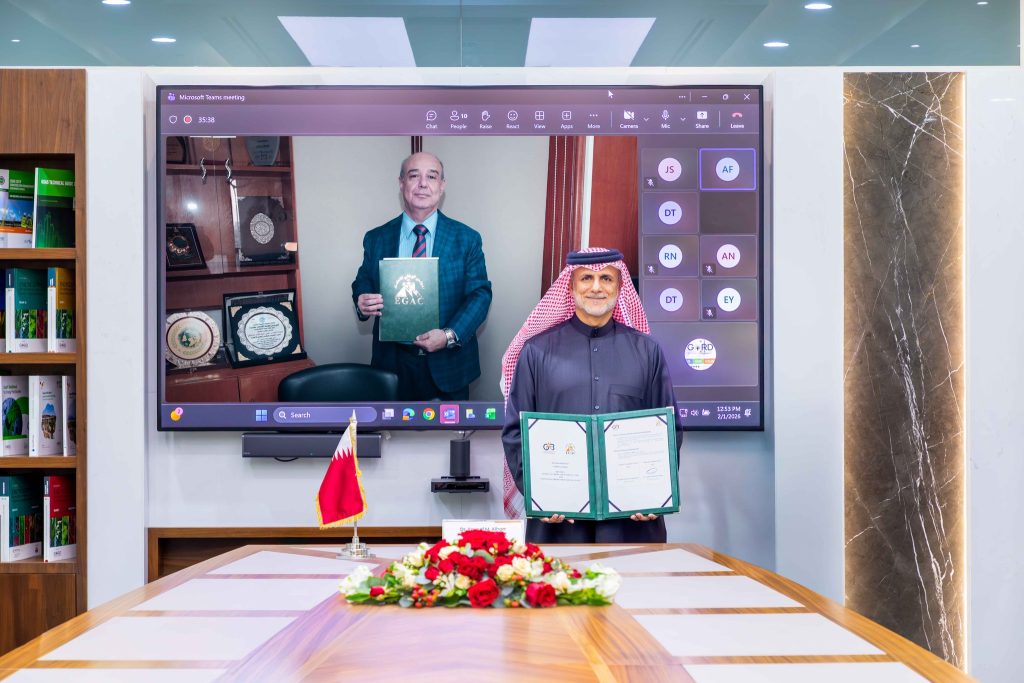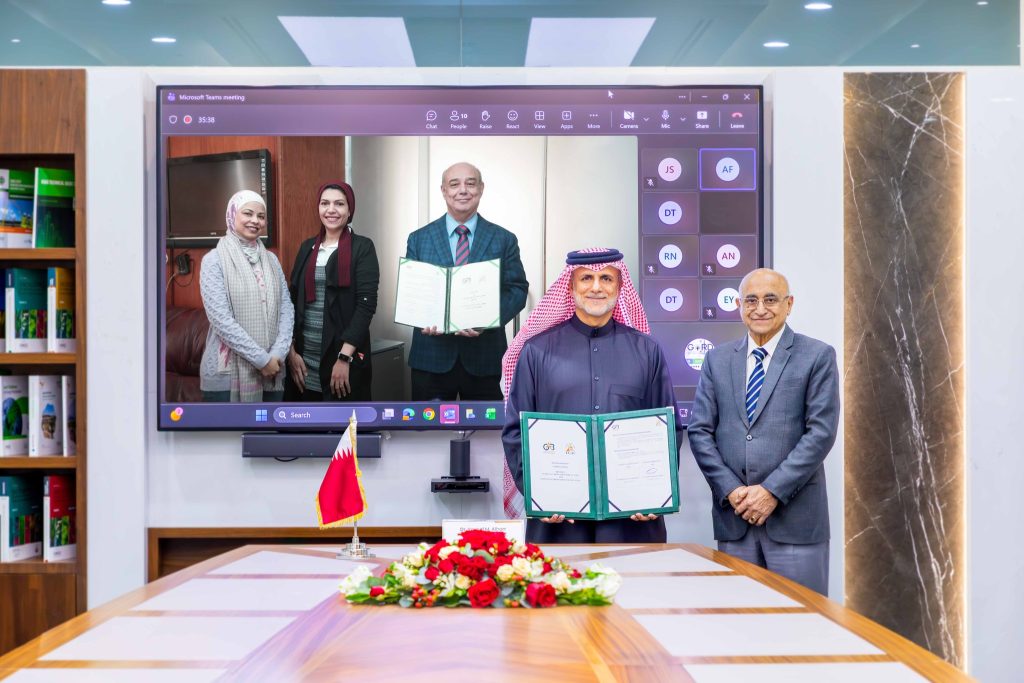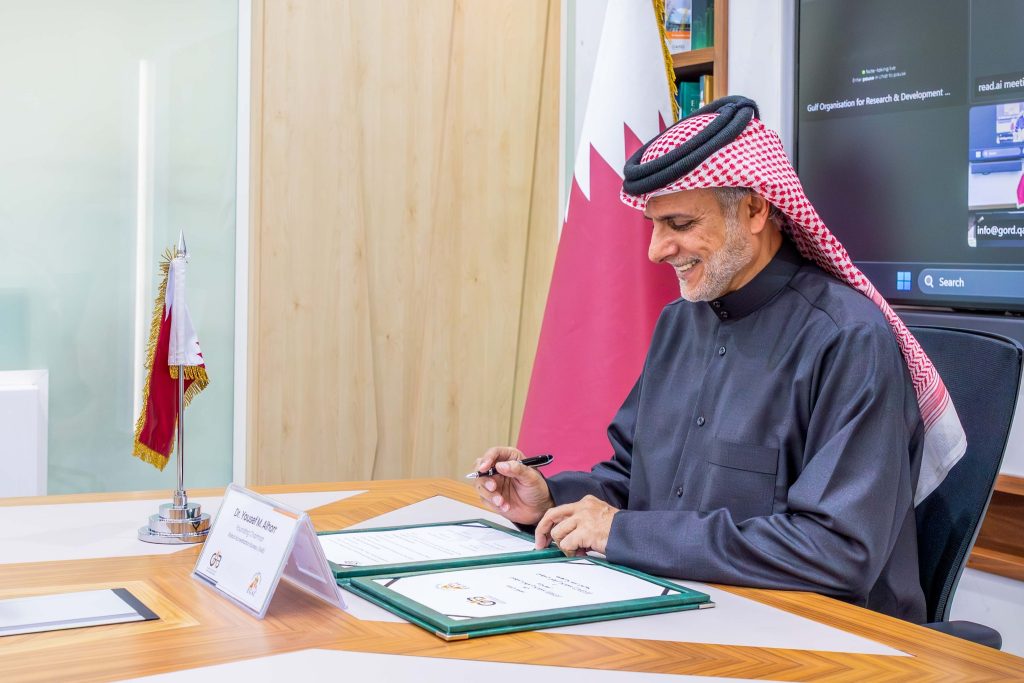
In an unprecedented national milestone added to the ongoing development of Egypt’s quality and accreditation system, the Egyptian Accreditation Council (EGAC) announced the granting of the first official accreditation for a biobank in the Arab Republic of Egypt. The accreditation was awarded to the Biobank of Theodor Bilharz Research Institute (TBRI) in accordance with the requirements of the international standard ISO 20387:2018, which specifies the general requirements for competence, impartiality, and consistent operation of biobanks.
This accreditation marks the successful establishment and operationalization— for the first time in Egypt— of biobank accreditation activities within EGAC’s scope of services. With this addition, biobanking becomes the thirteenth accreditation field operated by EGAC, reflecting the Council’s continuous strategic expansion and reinforcing its position as one of the largest accreditation bodies internationally in terms of the diversity of technical accreditation scopes under its supervision.
The accredited scope granted to the Biobank of Theodor Bilharz Research Institute covers the acquisition, preparation, long-term preservation, and distribution of human biological materials, including human serum, plasma, and buffy coat, in addition to the management and maintenance of associated data and information related to those biological materials. All accredited activities are implemented in full compliance with ISO 20387:2018, ensuring the integrity, traceability, quality, and fitness-for-purpose of biological materials used in scientific research and advanced medical applications.
The accreditation became effective as of 5 February 2026 for a full four-year accreditation cycle, following the successful completion of comprehensive technical and administrative assessment procedures conducted by a specialized EGAC evaluation team. The assessment process included a thorough review of the biobank’s implemented quality management system, verification of staff competence and defined responsibilities, evaluation of documented procedures governing sample reception, processing, labeling, storage, traceability, and distribution, as well as confirmation of compliance with requirements related to impartiality, confidentiality, risk management, document control, and records management.
Furthermore, the evaluation encompassed a detailed assessment of the biobank’s infrastructure and technical facilities, including environmental monitoring systems, long-term preservation equipment, temperature control mechanisms, contingency planning, and ongoing performance verification procedures to ensure the stability and reliability of stored biological materials. Particular attention was given to validating processes that maintain sample integrity over extended storage periods and to ensuring that all preservation conditions are continuously monitored and recorded in accordance with internationally recognized best practices.
The assessment also included verification of robust data and bioinformation management systems associated with the stored biological materials, ensuring alignment with international requirements related to data security, integrity, traceability, and controlled access. Such systems are essential for supporting high-quality medical research activities and for ensuring that research outcomes derived from these biological materials are reliable, reproducible, and internationally credible.
This accreditation represents a strategic advancement in strengthening Egypt’s national research infrastructure, particularly in the fields of precision medicine, personalized medicine, genomics, immunology, and liver disease research. Accredited biobanks constitute a fundamental component of modern scientific ecosystems, as they provide well-characterized, quality-controlled, and traceable biological samples that support clinical studies, translational research, diagnostic innovation, and the development of targeted therapeutic approaches.
The granting of this accreditation also comes at a pivotal time, as EGAC is actively progressing toward obtaining international recognition in the field of biobank accreditation from the European co-operation for Accreditation (EA) during 2026. Achieving such recognition will further enhance the international credibility of EGAC’s accreditation services in this emerging field, strengthen mutual recognition of accredited biobanks, and open broader opportunities for international scientific collaboration and cross-border research partnerships.
EGAC affirms that accrediting the Biobank of Theodor Bilharz Research Institute reflects the effective integration between national research institutions and Egypt’s quality infrastructure framework. It underscores the State’s commitment to implementing the highest international standards in the governance and management of biological research resources, thereby enhancing confidence in Egyptian scientific outputs and reinforcing their competitiveness at both regional and global levels.
The Egyptian Accreditation Council will continue its efforts to expand and develop emerging accreditation fields in alignment with global scientific and technological advancements, further strengthening the national quality infrastructure, supporting innovation-driven economic development, and consolidating the role of accreditation as a cornerstone for competence, credibility, and international trust in conformity assessment activities across the Arab Republic of Egypt.