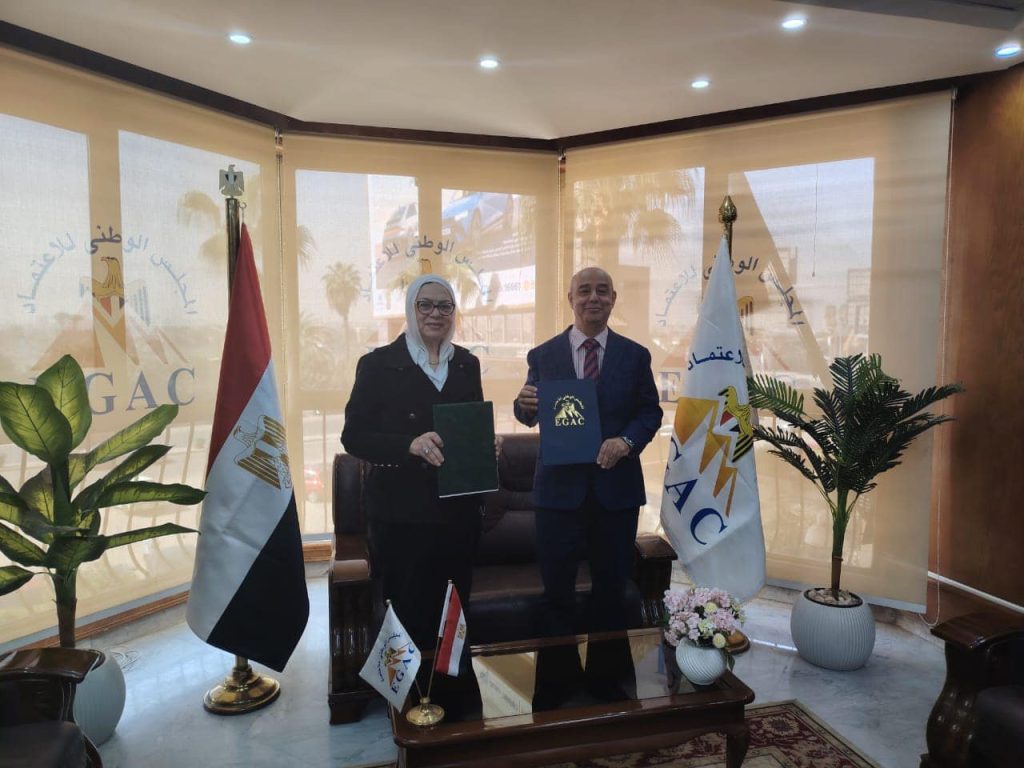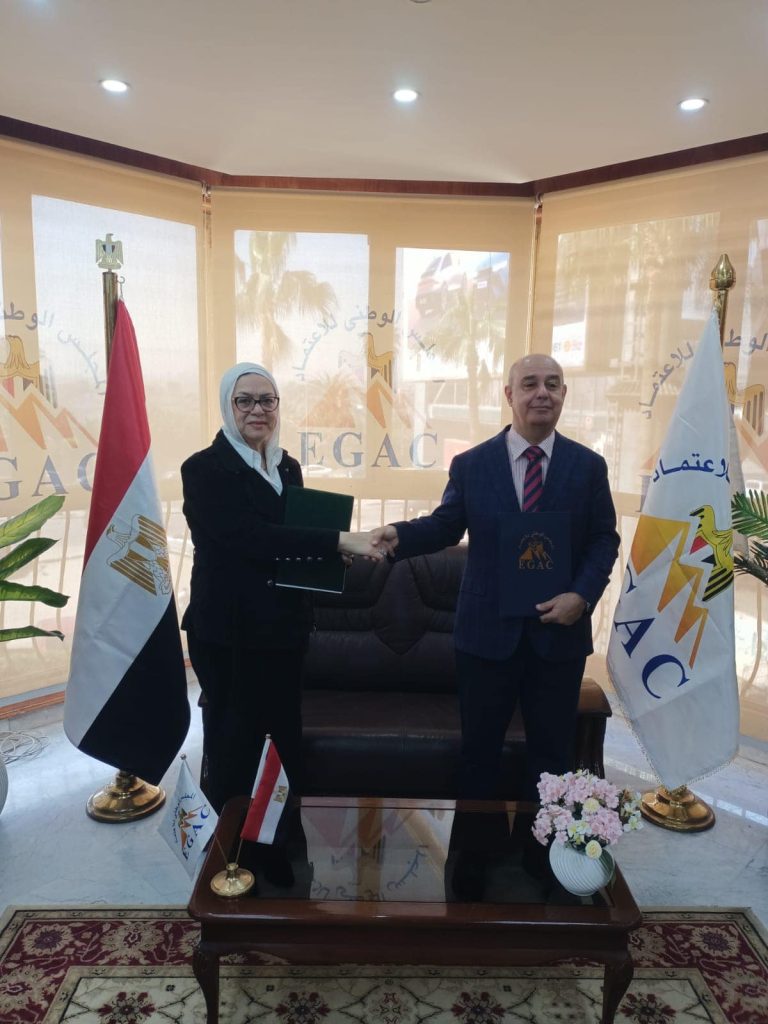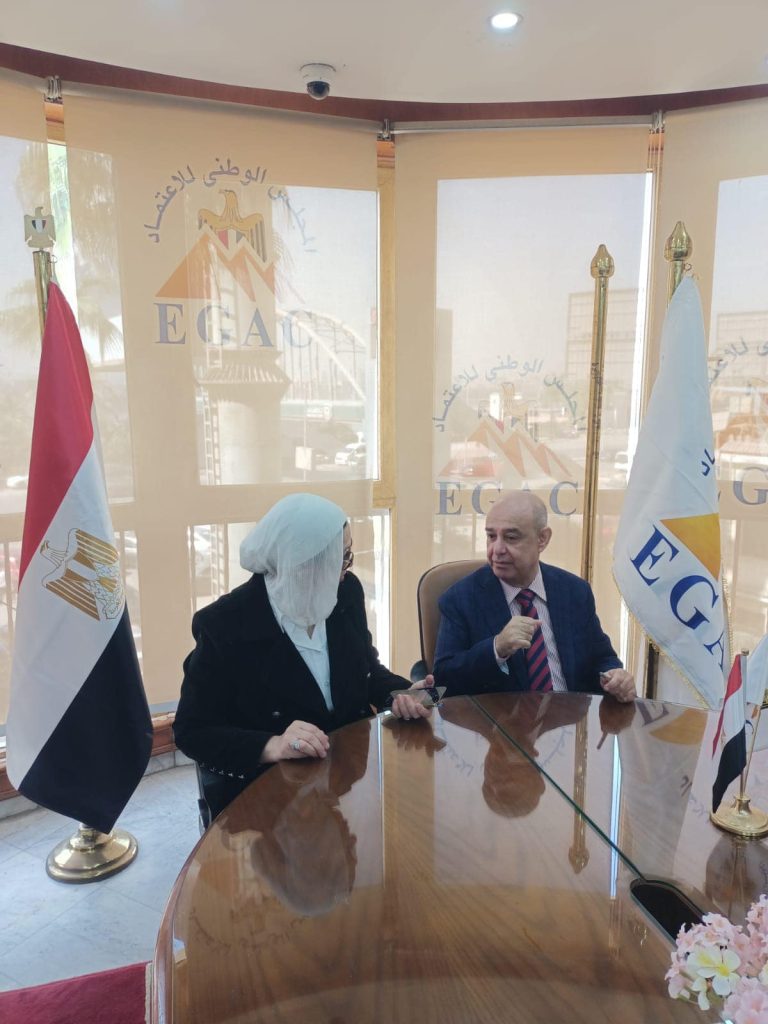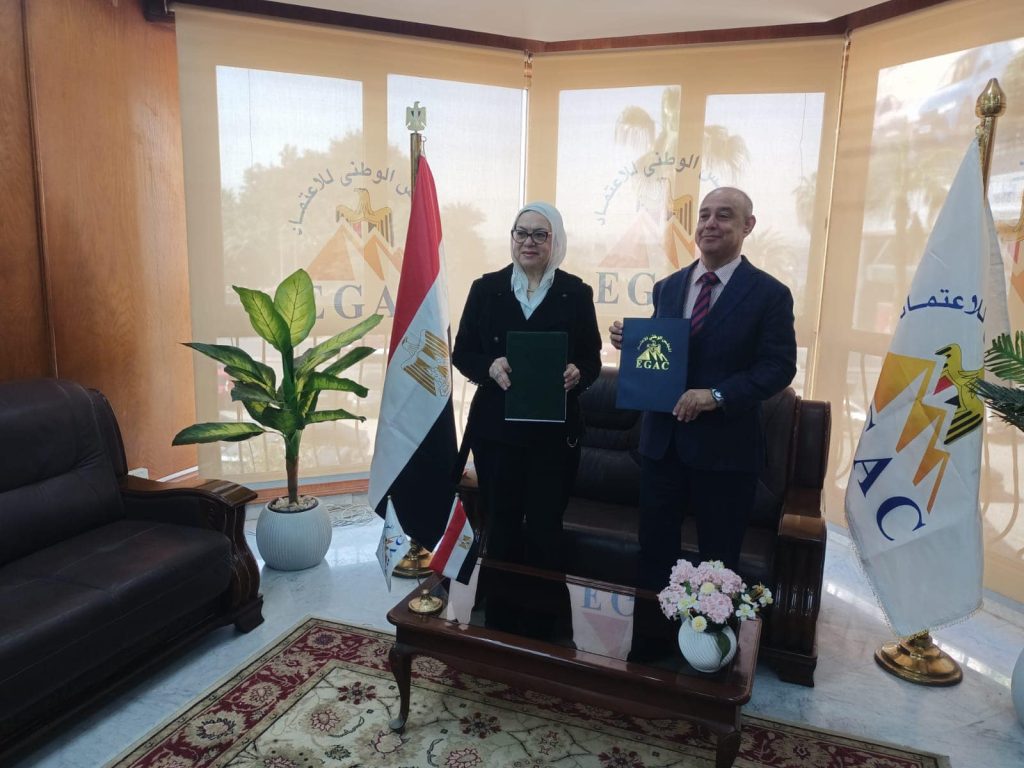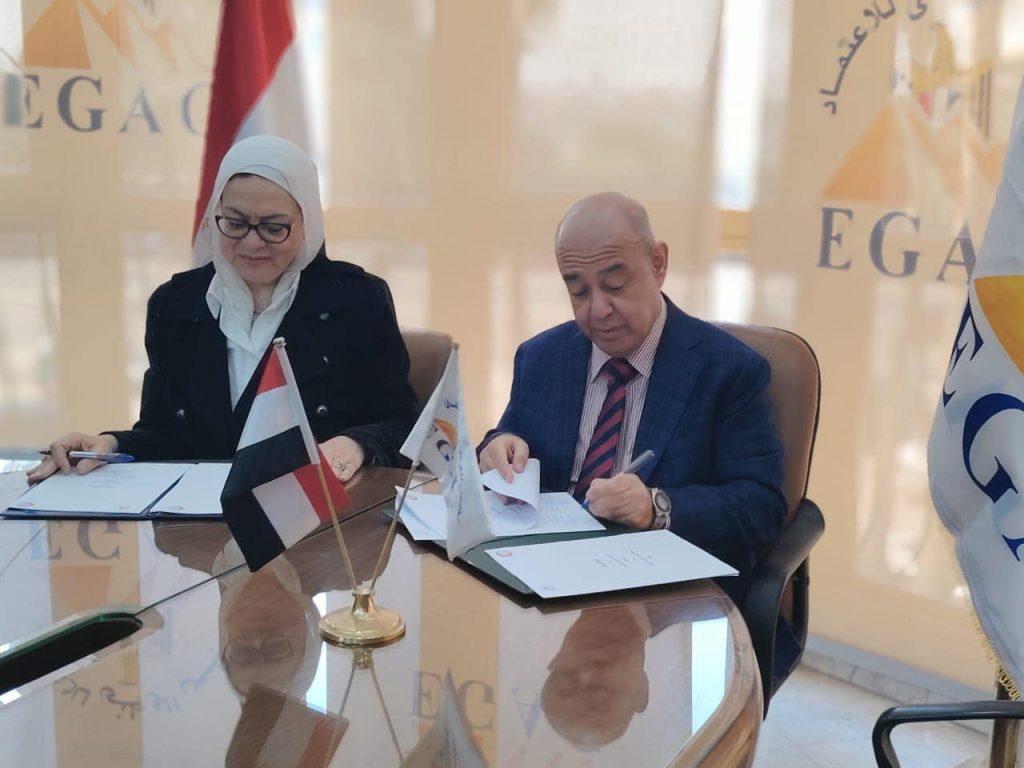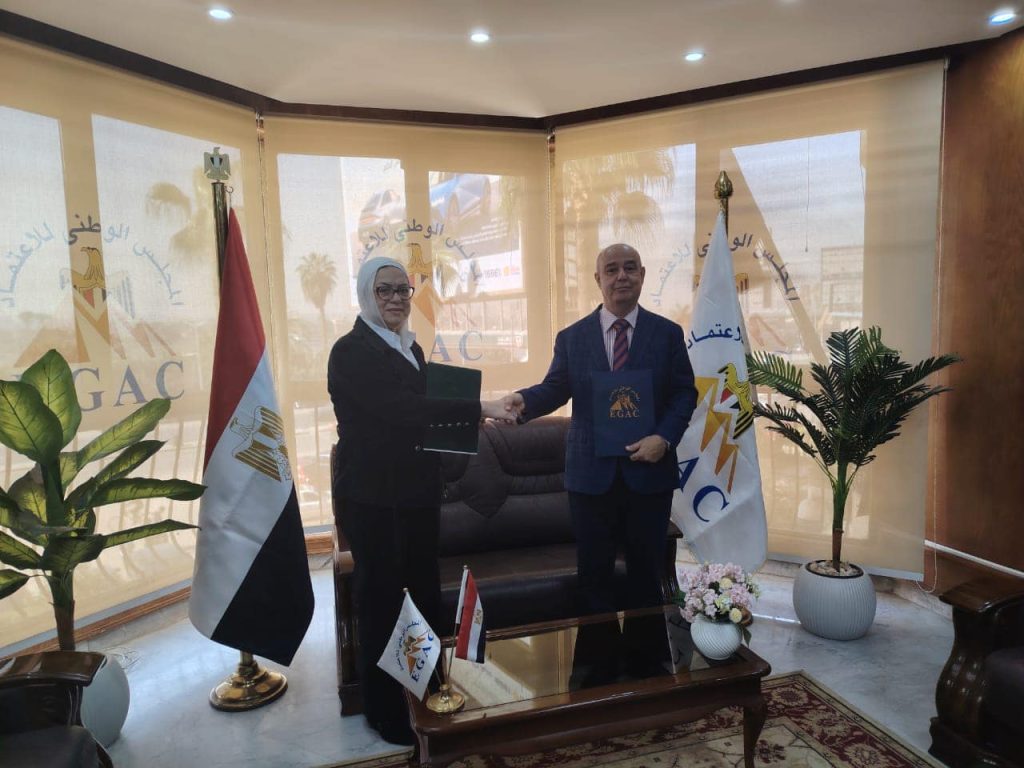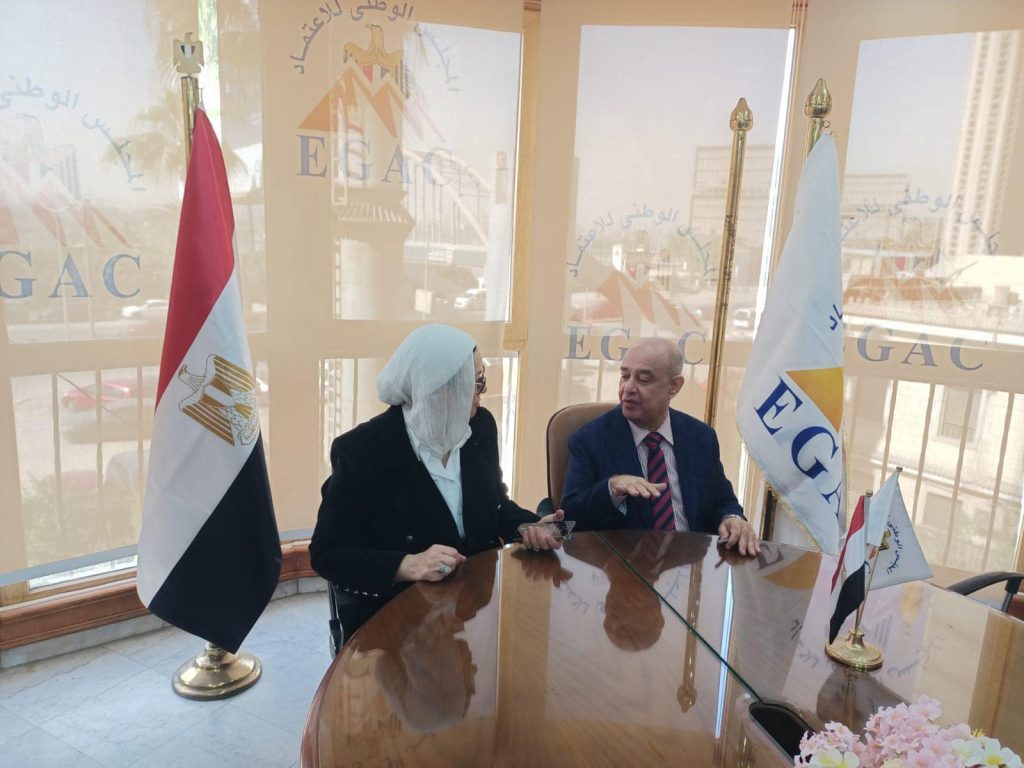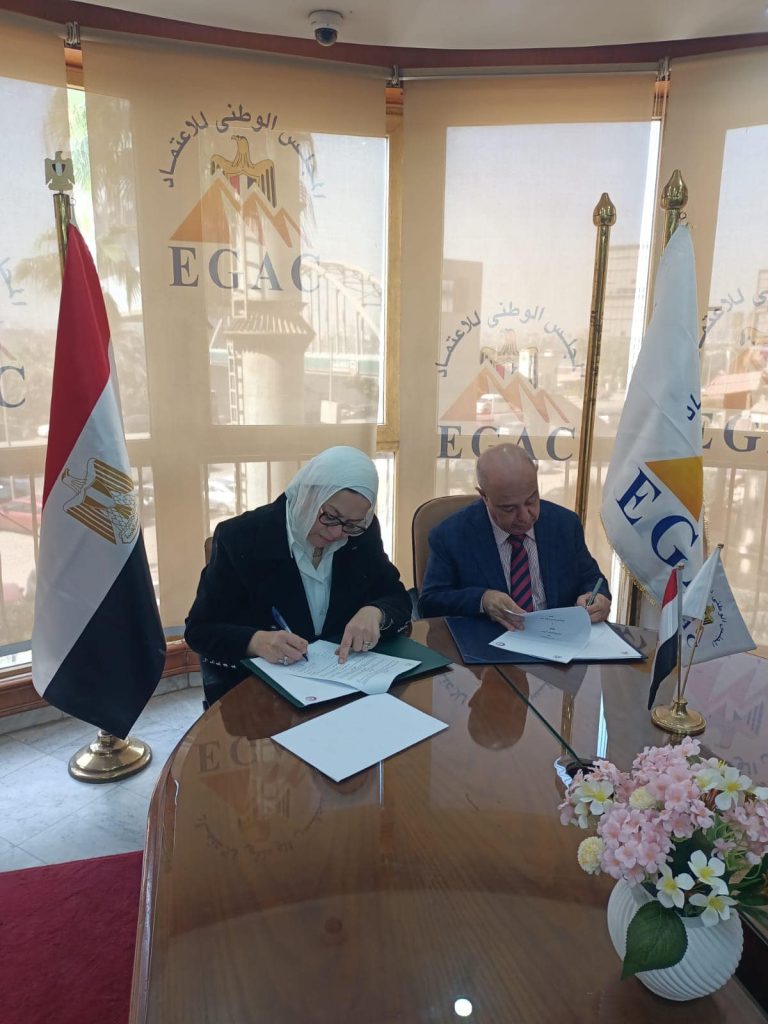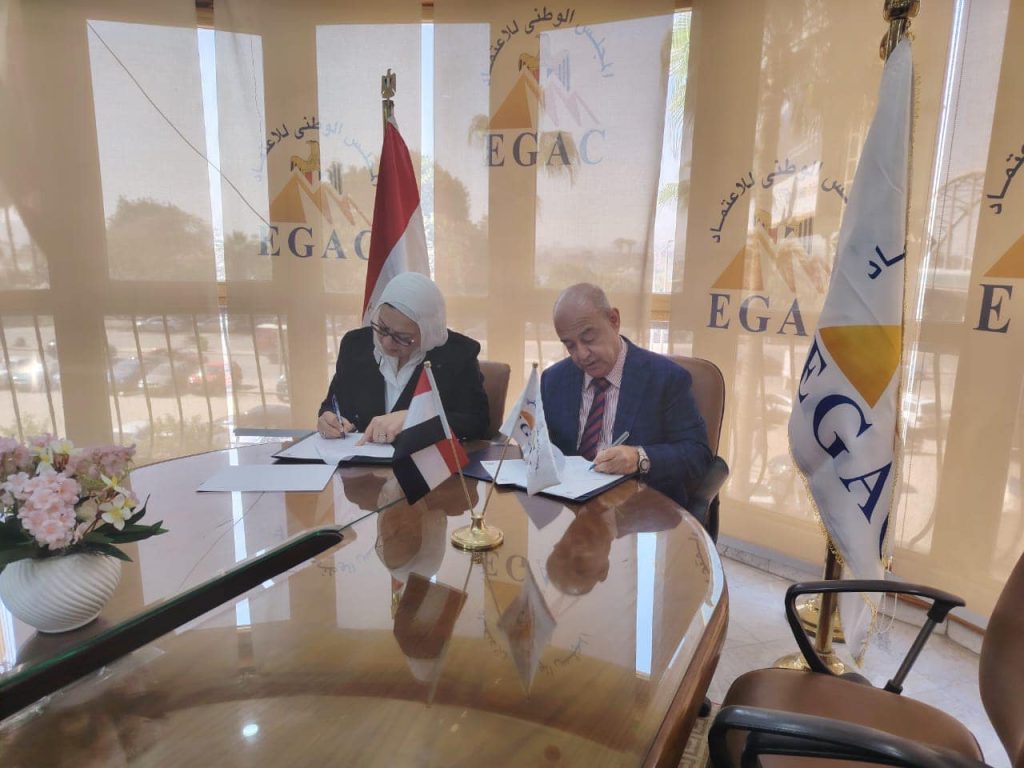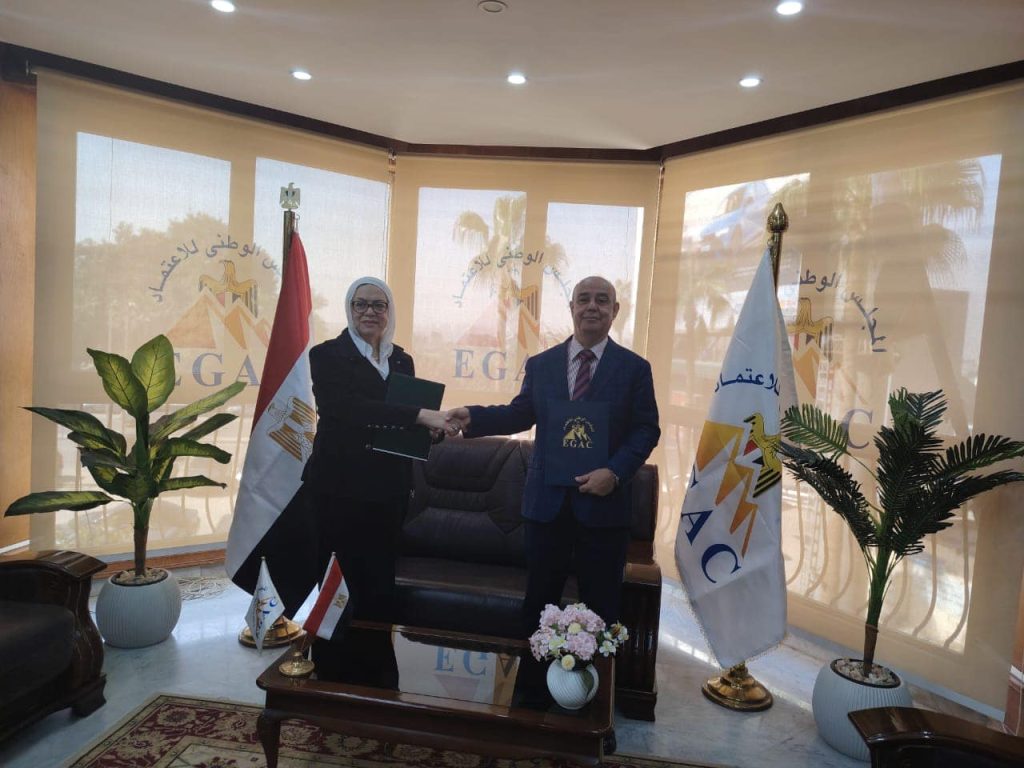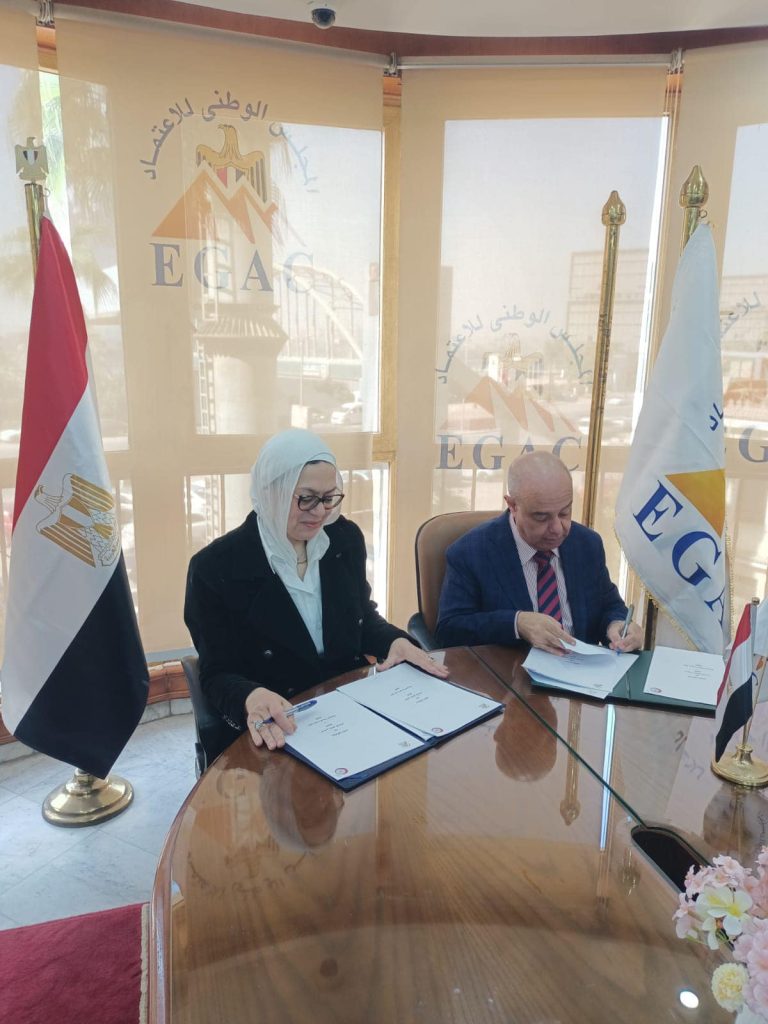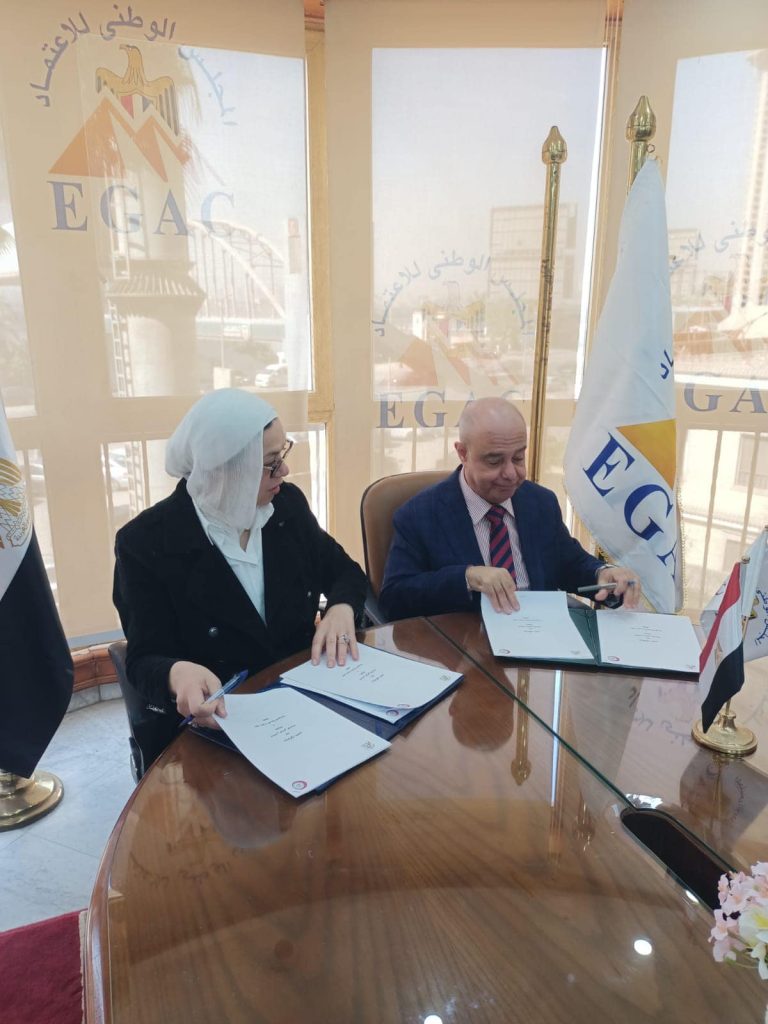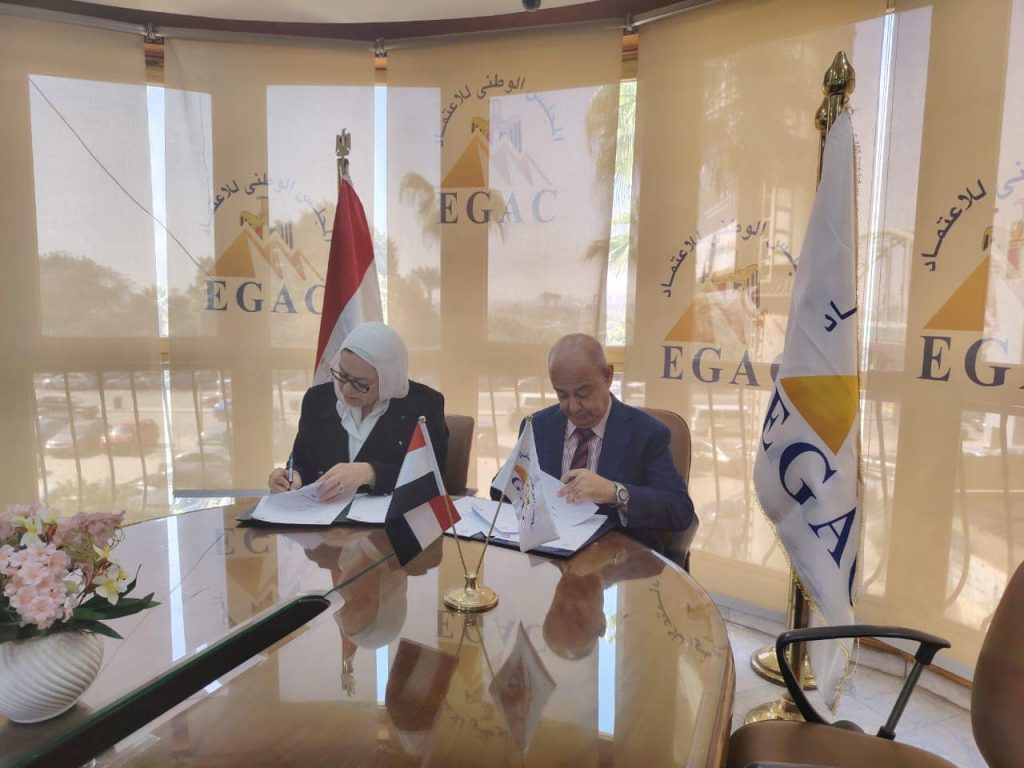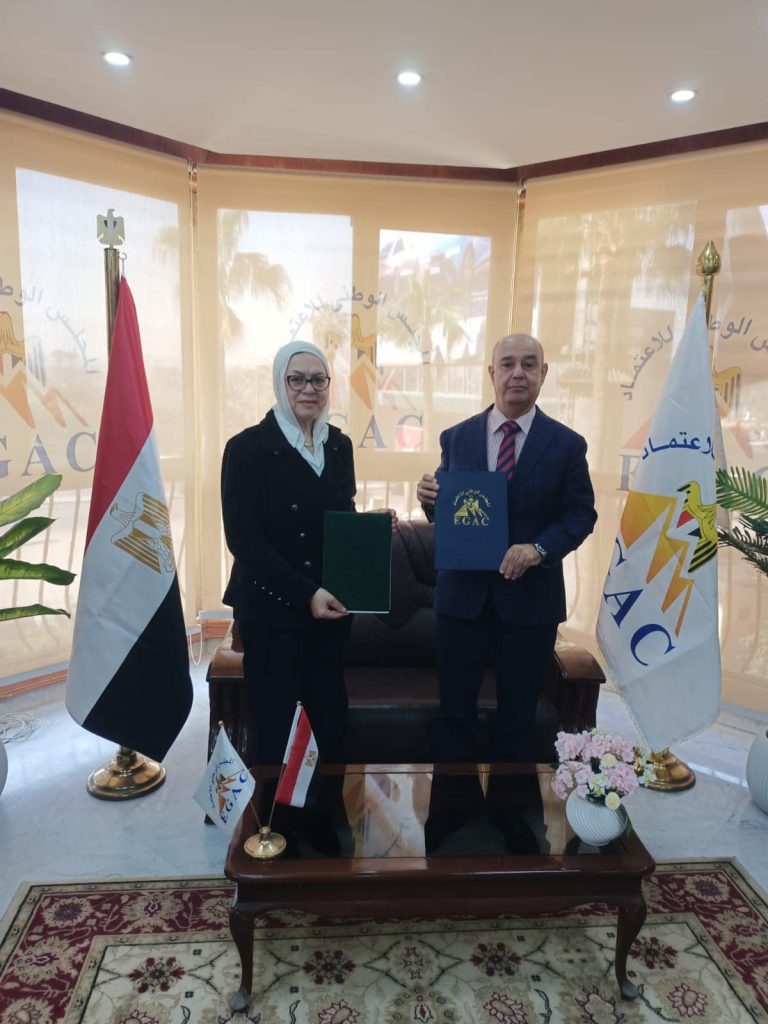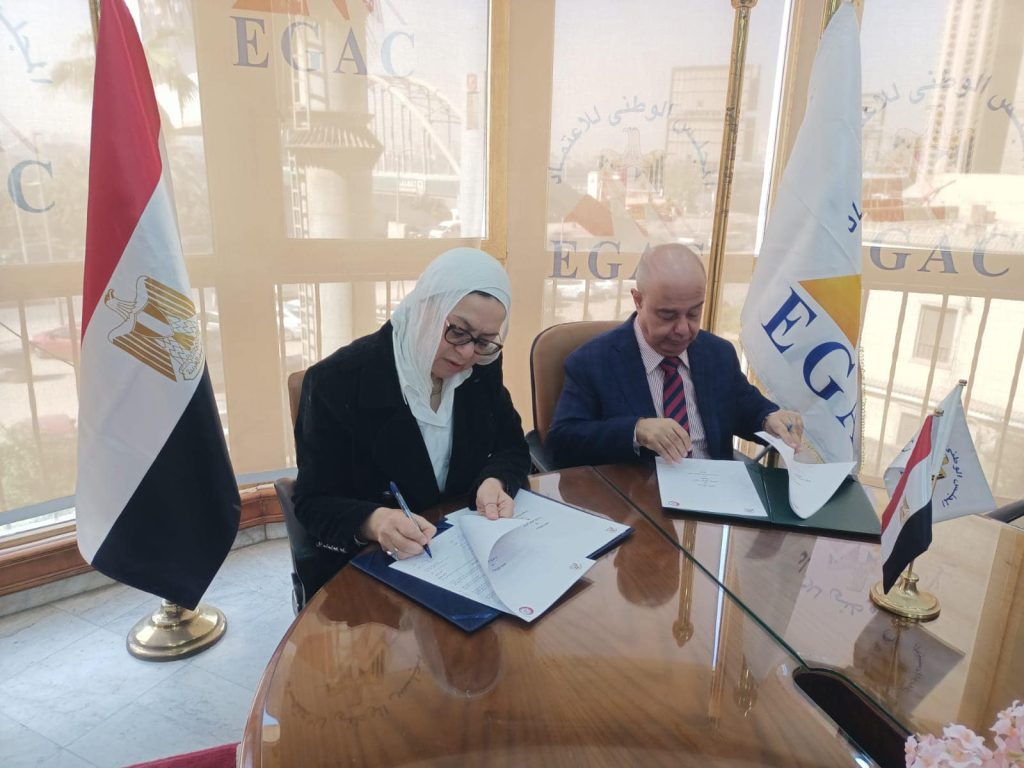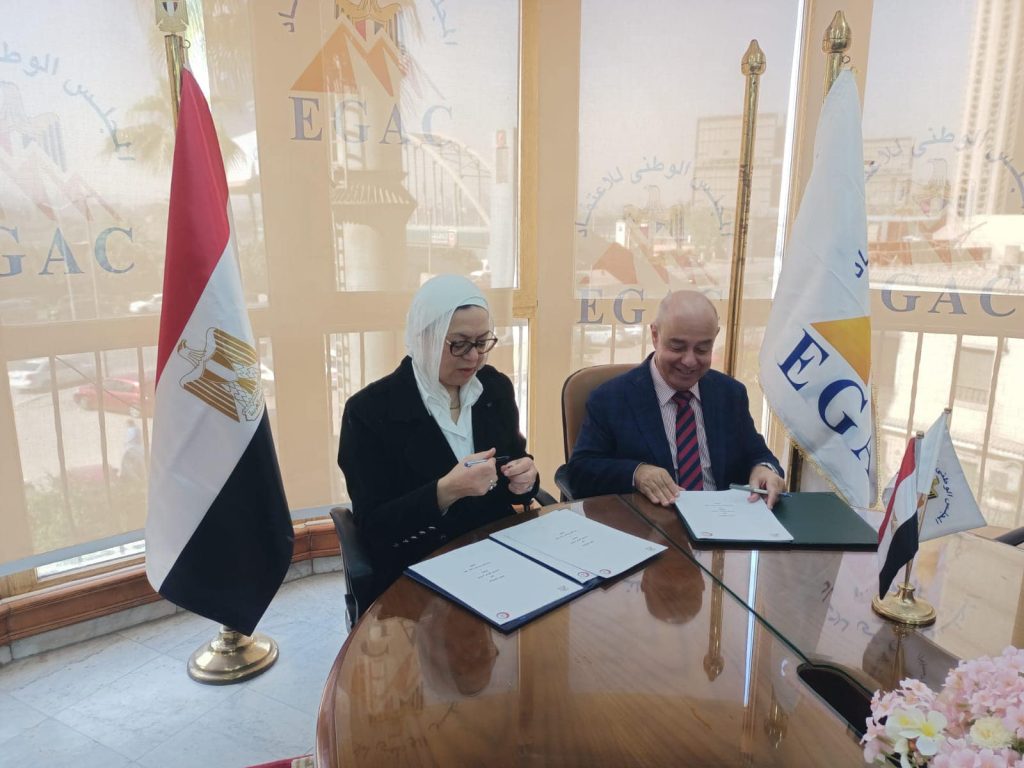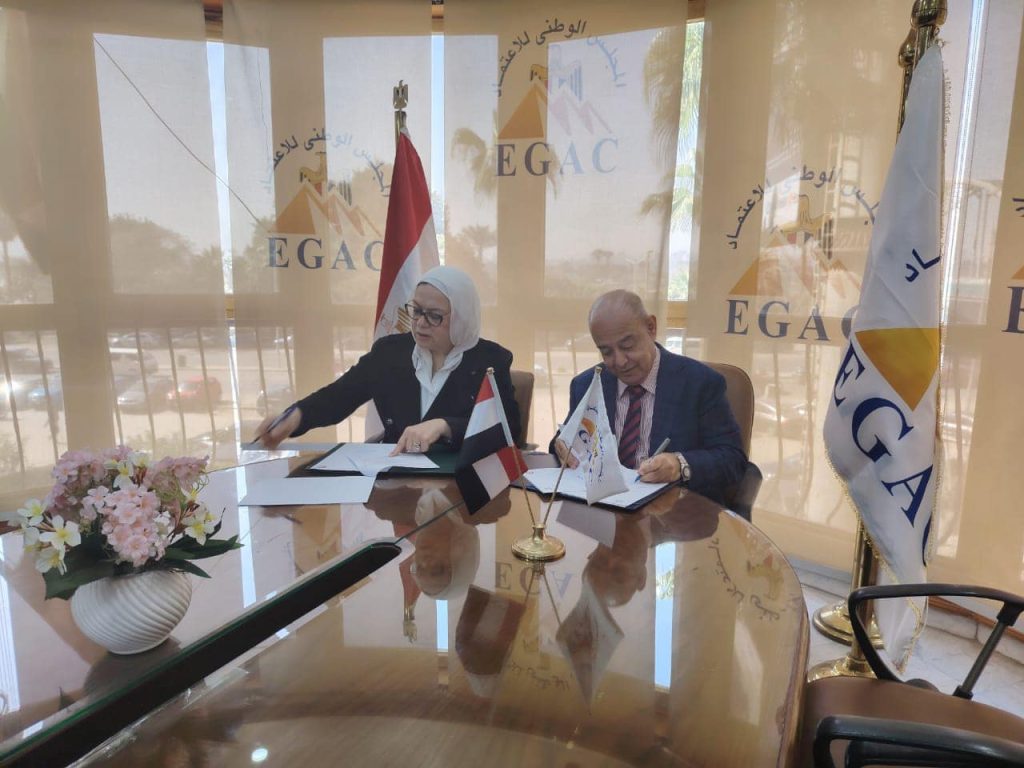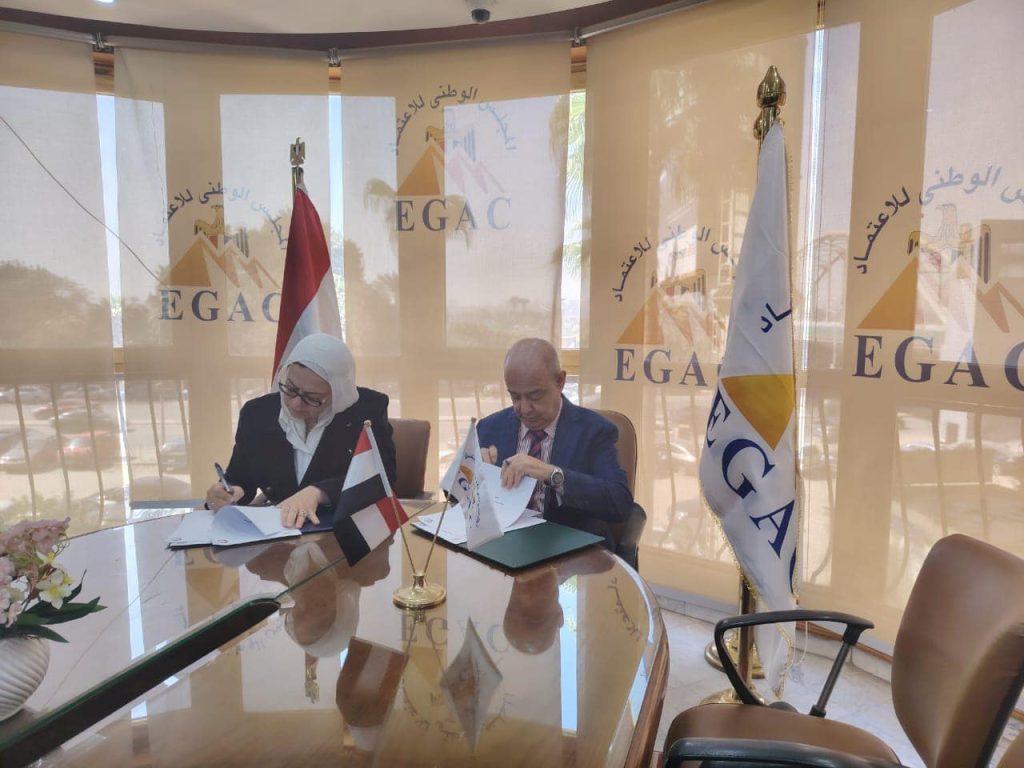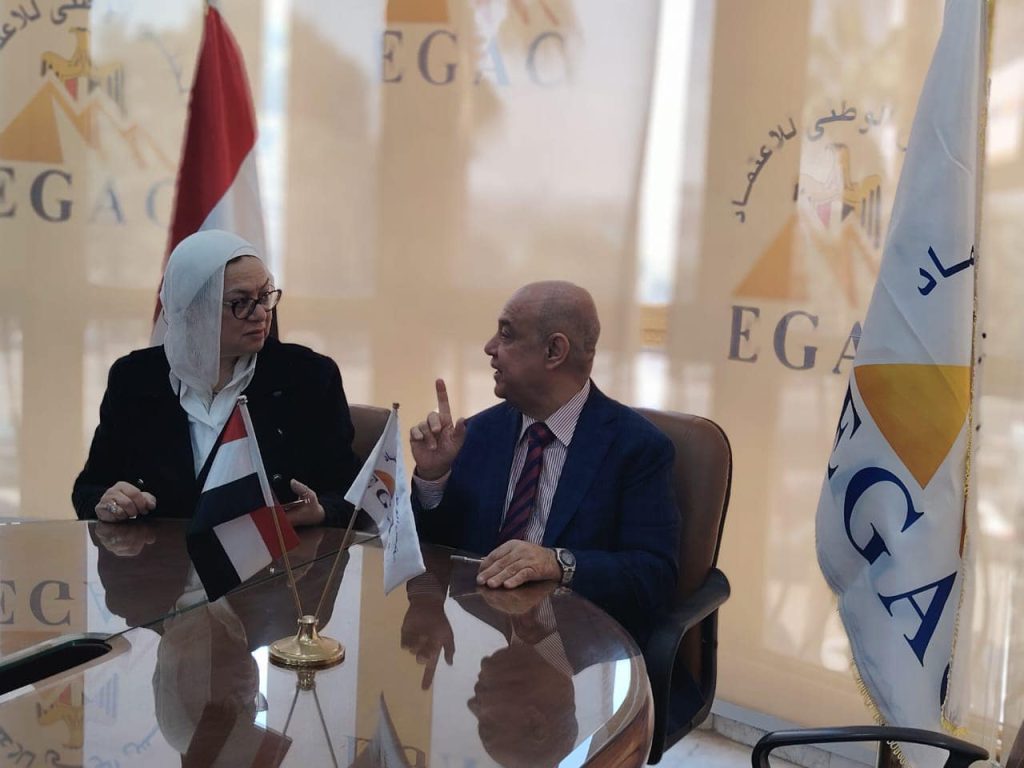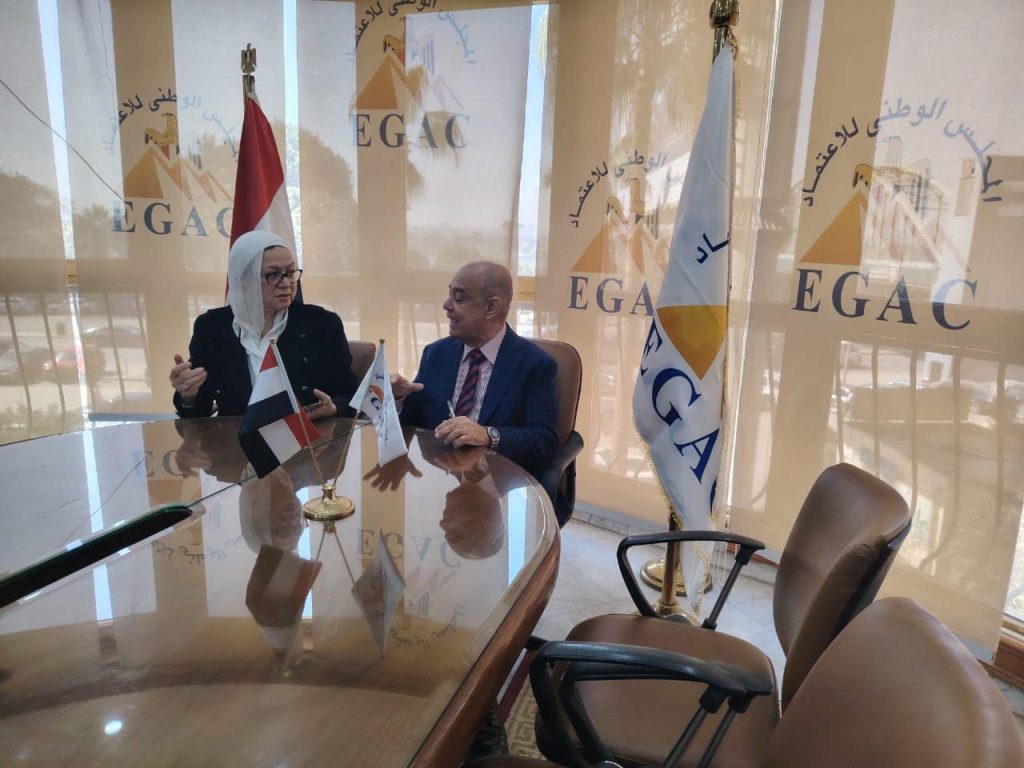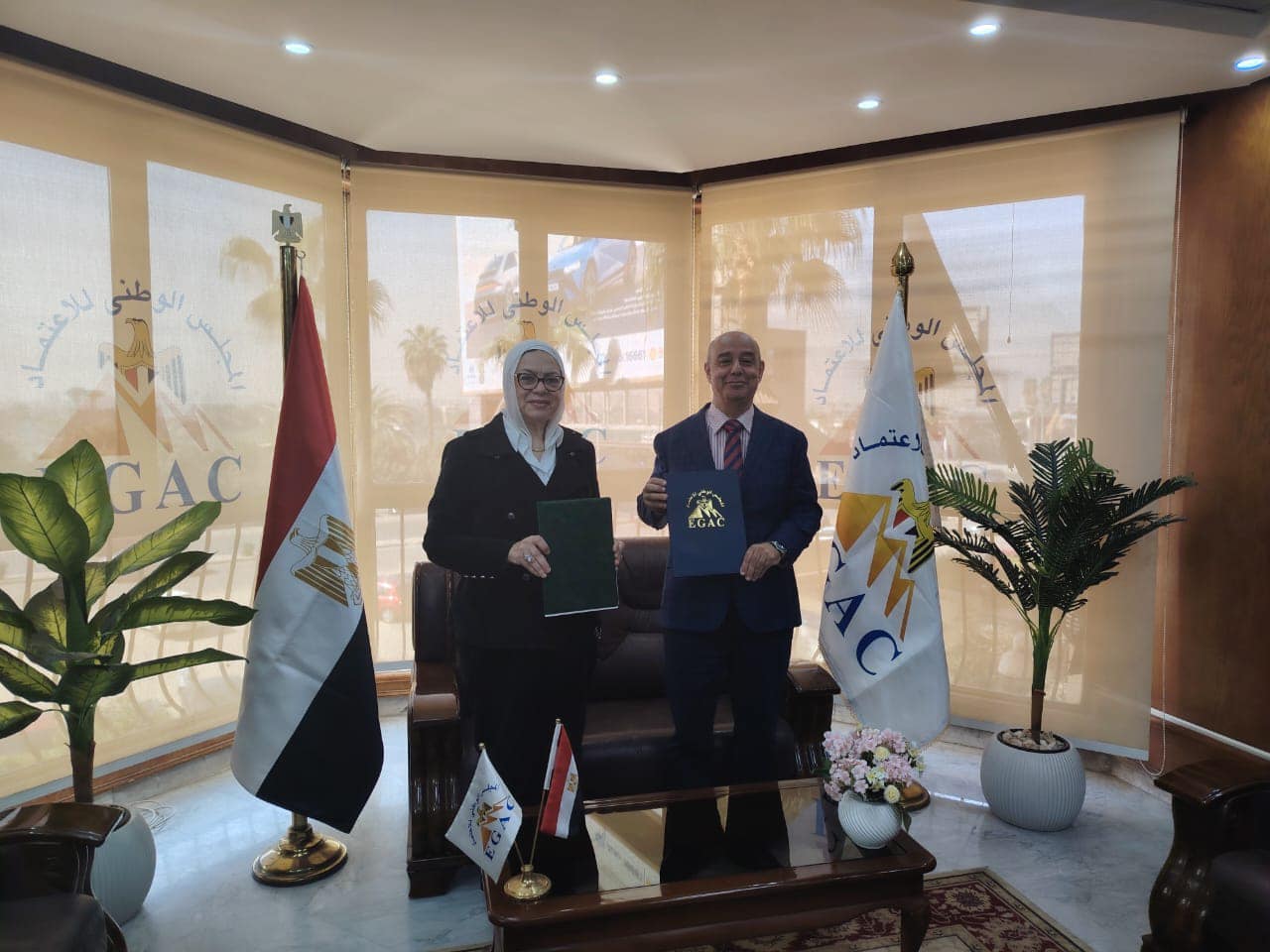
As part of the Egyptian Accreditation Council’s (EGAC) marketing strategy aimed at enhancing the national quality infrastructure, expanding accreditation and international proficiency testing fields, and supporting institutional development and the efficiency of research laboratories under Egyptian conformity assessment bodies—particularly in critical areas affecting public health and food safety—a cooperation protocol was signed between EGAC and the Animal Health Research Institute.
The protocol was signed at EGAC’s headquarters by Eng. Mohamed Hassan Abdel Halim, Executive Director of EGAC, and Prof. Dr. Samah Eid, Director of the Animal Health Research Institute. This agreement represents a strategic step toward supporting the institute’s journey to obtain a comprehensive set of international accreditations and strengthening its scientific and research standing both regionally and internationally.
Eng. Mohamed Hassan Abdel Halim emphasized that EGAC’s current policy focuses on steadily expanding training and accreditation activities across all governorates, intensifying efforts within government entities and private sector institutions in alignment with the council’s marketing strategy. He highlighted EGAC’s technical expertise across all accreditation fields and its role in providing specialized training programs to enhance the capabilities of conformity assessment personnel, contributing to the development of Egypt’s quality infrastructure.
.
Strategic Partnership to Promote Institutional Excellence
The Executive Director praised the scientific, research, and advisory role of the Animal Health Research Institute, noting that the institute possesses advanced infrastructure and highly experienced staff, positioning it among leading international reference laboratories. He described the protocol as a strategic framework to provide the technical and advisory support necessary to sustain the institute’s institutional excellence and enhance its competitive capabilities.
Prof. Dr. Samah Eid stated that the cooperation protocol goes beyond supporting the accreditation of the institute’s laboratories according to ISO/IEC 17025 for testing and calibration laboratory competence. It also extends to new vital areas that strengthen the institute’s role as a reference center, including:
-
Accreditation of proficiency testing programs in accordance with ISO/IEC 17043, enabling the institute to organize and manage proficiency tests for other laboratories and serve as a reference authority in evaluating the accuracy of laboratory results locally and internationally.
-
Accreditation of the quality management system under ISO 9001, ensuring the implementation of the highest standards of governance and institutional management across the institute and its branches, enhancing administrative efficiency, and improving the speed, accuracy, and reliability of services.
She added that expanding accreditation areas in collaboration with EGAC aims to establish a comprehensive system that supports the national economy by enhancing international recognition of the institute’s results and reports. This facilitates access for Egyptian animal-origin exports to global markets and ensures reliable inspection of imported food products to protect consumers. It also focuses on training the institute’s staff using the latest internationally recognized techniques and practices.
The Animal Health Research Institute is considered the first line of defense against epidemic and zoonotic diseases. It continues to advance its research and diagnostic capabilities in line with international quality and accreditation standards, reinforcing its pivotal role in supporting public health and food safety in the Arab Republic of Egypt.