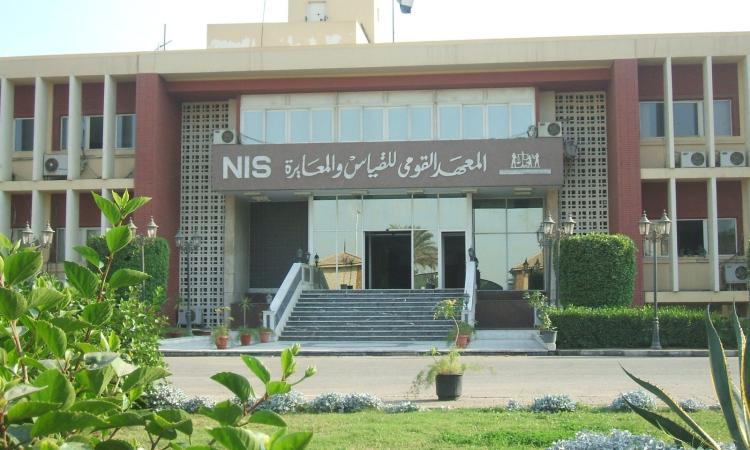
As part of the celebrations of World Metrology Day, observed annually on 20 May, the Egyptian Accreditation Council (EGAC) participated in the event organized by the National Institute of Standards (NIS), with the attendance of experts, specialists, and representatives of organizations involved in Egypt’s quality infrastructure system.
World Metrology Day is an international occasion dedicated to raising awareness of the vital role that measurement science plays in everyday life, industry, trade, innovation, and sustainable development. Accurate and reliable measurements are essential in numerous sectors, ranging from global positioning and navigation systems (GPS) to healthcare, pharmaceutical manufacturing, construction safety, industrial production, and environmental monitoring. Metrology provides the foundation for consistency, reliability, and international comparability of measurements, enabling countries and organizations worldwide to operate according to common standards.
Representing EGAC at the event, Eng. Ayman Fathy Farrag, General Manager of Calibration Laboratories Accreditation, delivered a presentation entitled “Accreditation and Its Role in Supporting Policies and Decision-Making.” During his presentation, he highlighted the strategic importance of accreditation in strengthening confidence in conformity assessment activities and supporting evidence-based decision-making through technically competent, impartial, and reliable conformity assessment bodies.
The presentation emphasized the role of accreditation in enhancing confidence in the results of testing, calibration, inspection, certification, validation, and verification activities. Accreditation ensures that conformity assessment bodies operate in accordance with internationally recognized standards, thereby increasing the reliability and credibility of the reports and certificates they issue.
Eng. Farrag explained that accreditation contributes significantly to achieving international recognition of reports, certificates, and test results through international and regional mutual recognition arrangements. Such recognition facilitates international trade, reduces technical barriers, minimizes the need for duplicate testing and inspections, and supports the acceptance of Egyptian products and services in global markets.
The presentation also highlighted the contribution of accreditation to strengthening industrial competitiveness, improving service quality, and promoting transparency, impartiality, and credibility in conformity assessment activities. Through accreditation, organizations can demonstrate compliance with international best practices while increasing confidence among regulators, consumers, and business partners.
A significant part of the presentation focused on Egypt’s Quality Infrastructure, which is built upon three main pillars: Standardization, Metrology, and Accreditation. The integration of these pillars plays a fundamental role in supporting economic development, industrial growth, consumer protection, innovation, and sustainable development.
The audience was introduced to the various categories of conformity assessment bodies accredited by EGAC, including testing laboratories, calibration laboratories, forensic laboratories, inspection bodies, management systems certification bodies, product certification bodies, personnel certification bodies, validation and verification bodies, biobanks, proficiency testing providers, and reference material producers. These accreditation activities collectively support confidence in products, services, systems, and technical competence across numerous sectors.
The presentation further addressed the structure of the international accreditation system and explained the different levels of accreditation recognition, namely the national, regional (continental), and international levels. At the national level, accreditation bodies are responsible for accrediting conformity assessment bodies within their respective countries. At the regional level, accreditation organizations facilitate mutual recognition among national accreditation bodies within a specific geographic region. At the international level, global accreditation organizations manage multilateral recognition arrangements that ensure worldwide acceptance of accredited results and certificates.
The presentation reviewed EGAC’s active participation in the international accreditation community through its engagement with major regional and international organizations, including the European co-operation for Accreditation (EA), the African Accreditation Cooperation (AFRAC), the Arab Accreditation Cooperation (ARAC), and Global Accreditation Cooperation Incorporated (Global ACI). These relationships contribute significantly to enhancing international confidence in the Egyptian accreditation system and the certificates and reports issued by EGAC-accredited bodies.
Eng. Farrag also presented an overview of EGAC’s journey toward achieving international recognition. In August 2006, EGAC initiated the process of obtaining international recognition through the global accreditation organizations by applying for participation in Multilateral Recognition Arrangements (MLA) and Mutual Recognition Arrangements (MRA). In 2009, EGAC successfully signed international recognition agreements with the relevant global accreditation organizations, resulting in international recognition of accredited certificates and reports issued under the Egyptian accreditation system.
The presentation also highlighted the signing of a Cooperation Contract (COC) with the European co-operation for Accreditation (EA) in 2009, representing an important milestone in strengthening international cooperation and technical exchange.
Furthermore, the presentation reviewed EGAC’s achievement of continental recognition through the African Accreditation Cooperation (AFRAC) in 2013 as the regional accreditation organization for Africa. This recognition has subsequently been renewed and extended to additional accreditation scopes, reflecting continued confidence in EGAC’s technical competence and accreditation practices.
The audience was also informed about EGAC’s achievement of regional recognition through the Arab Accreditation Cooperation (ARAC) in 2014 and its continued maintenance of this recognition through successful peer evaluations conducted by regional and international accreditation organizations.
The presentation included a detailed explanation of the accreditation process implemented by EGAC. The process begins with the submission of an accreditation application, followed by application review and approval of the assessment team. Subsequent stages include documentation review, preliminary assessment visits, and the main on-site assessment to evaluate technical competence and compliance with applicable international standards.
Following the assessment activities, the assessment results are reviewed by the Technical Advisory Committee, which provides recommendations regarding accreditation. Based on these recommendations, the Higher Accreditation Committee makes the final accreditation decision. Once accreditation is granted, accredited bodies are subject to periodic surveillance assessments to ensure continued compliance with accreditation requirements, followed by reassessment and accreditation renewal according to established accreditation cycles.
The main accreditation stages presented during the event included:
- Submission of the accreditation application.
- Acceptance of the application and approval of the assessment team.
- Documentation review.
- Preliminary assessment visit.
- Main assessment visit.
- Recommendation by the Technical Advisory Committee.
- Accreditation decision by the Higher Accreditation Committee.
- Periodic surveillance visits.
- Reassessment and accreditation renewal.
At the conclusion of the event, EGAC reaffirmed its commitment to promoting quality culture, raising awareness of the importance of accreditation, and supporting the integration of metrology, standardization, and accreditation as key components of a robust national quality infrastructure. Such efforts contribute to enhancing confidence in Egyptian products and services, supporting sustainable development, and advancing the objectives of Egypt Vision 2030.